
X Chromosome Abnormality Test (XCAT)
PCR and quantitative pyrosequencing based technology uses a simple cheek swab to accurately determine chromosomal abnormalities.
XCAT-TS: Is a novel molecular genetic test for detection of Classic and Mosaic Turner Syndrome. This test is now available – to order kits click here.
Read more…
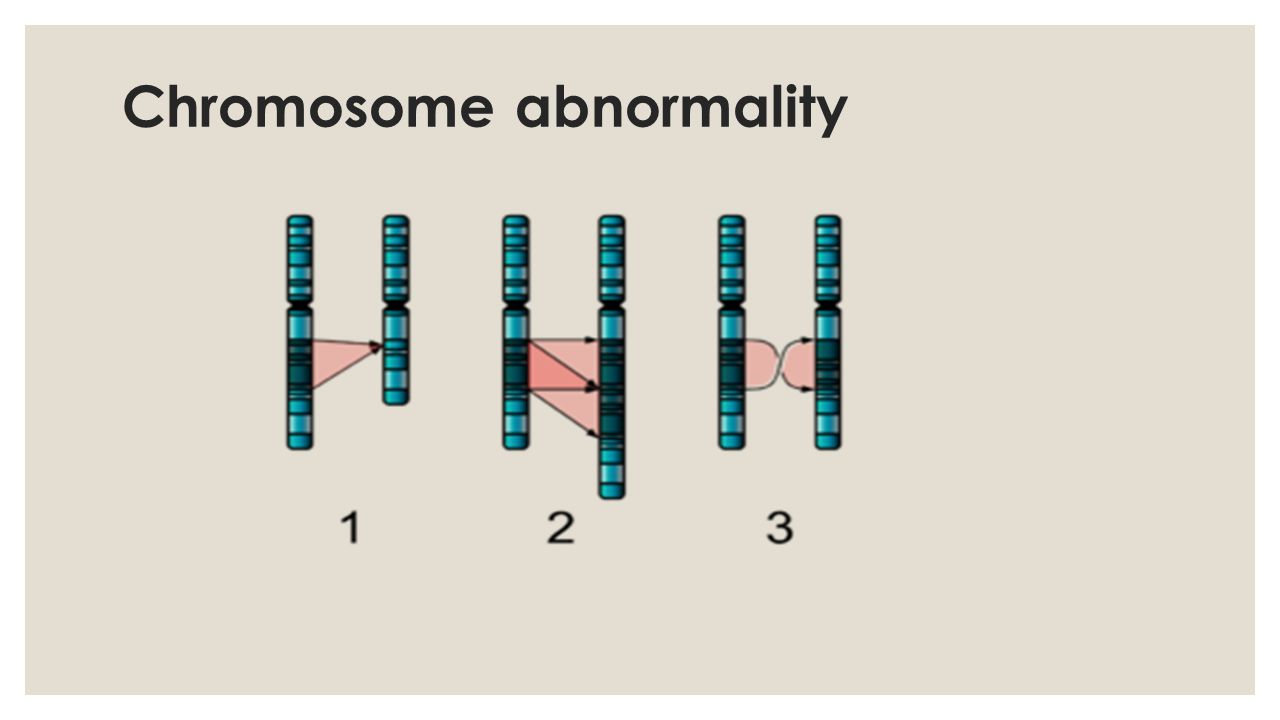
XCAT-KS: Is a genetic test for Klinefelter Syndrome, one of the most common genetic abnormalities in males. This test is currently in clinical validation trials and is scheduled to be commercially available in the fourth quarter of 2011. Read more…
XCAT-FX: Is a test for Fragile X Syndrome, the most common hereditary cause of mental impairment in men and a major cause of infertility among women. The commercial availability of this product is planned for 1H 2012.Read more… Surgical Knowledge The Optometrists can assist you with a myriad of eye difficulties but they don't perform eye surgeries. An optometrist isn't a medical doctor. Like ophthalmologists, optometrists are expected to fulfill continuing education requirements on a continuous basis to keep their licensure and keep current with the newest standards of eye care. The ideal way to establish if an optometrist is best for you is to schedule an appointment and see for yourself. Some optometrists complete an optional residency in a particular region of practice. On the flip side, an optometrist is likewise an eye doctor who had graduated a 4-year optometry program but did not attend a health school. Even if you're consulting an Optometrist you are going to be referred to the Ophthalmologist by them. The precise kind of exam will be different. Eye exams aren't just for people with bad vision. As a rule of eye doctor thumb, you should have regular eye examinations and ought to ask your doctor at the very first indication of any vision-related problem to keep on enjoying great eyesight even as you get older. Eyes are among the most important elements of your being. It's possible your eye will naturally flush the irritant out as you sleep. Blue eyes are beautiful on their own and with the appropriate eye makeup will truly shine. Blue eyes may be rare in adults, but for Caucasian babies it's the most frequent eye color. Blue eyes, in addition to green and hazel eyes, appear a specific color as a result of a principle referred to as Rayleigh Scattering, that's the reason the sky appears blue, although it isn't actually that color. Yvonne Dellos is an experienced and nationally recognized Nurse Practitioner in the Medical Aesthetic field and is the founder of several industry-leading ventures including Medical Aesthetic Art Institute, MAAI Summit, Aesthetic Co, and Aesthetic ER. She is also a well-known national speaker and is dedicated to shaping the future of providers entering the dynamic Medical Aesthetic industry. One of the most important traits of a successful cosmetic injector is meticulous attention to detail. This ensures that the client’s facial features are balanced and that all the injections appear natural-looking. Additionally, it is essential that the cosmetic injector pays close attention to the specific facial muscles, their functions, and how they relate to the patient’s overall Injector Coach Institute face shape. A certified injector can offer patients safe and effective treatments that are in line with their unique needs. These professionals are well versed in the latest advancements in the cosmetic industry and have extensive experience in their field. Moreover, they are committed to providing high-quality service to all their clients.
XCAT-DS: Is a test for Down’s Syndrome/Trisomy 18. Early stage development work is underway for this product. Read more…
JS Genetics
Develops and markets proprietary, low cost, high value DNA diagnostic testsfor underserved medical conditions in newborns, children, and adolescents. This focus grew out of the recognition that most genetic tests require blood samples, have longer turn-around times, and are expensive. The Company’s principle strategy is to internally develop tests using cheek swabs for sample collection and a PCR based testing platform to bring to market accurate, convenient and cost effective DNA screening tests for adolescents focused in three key areas of developmental disorders:
Physical Development:
Turner Syndrome
Klinefelter Syndrome
Down’s Syndrome
Cognitive Development:
Dyslexia
Behavioral Development:
Fragile X